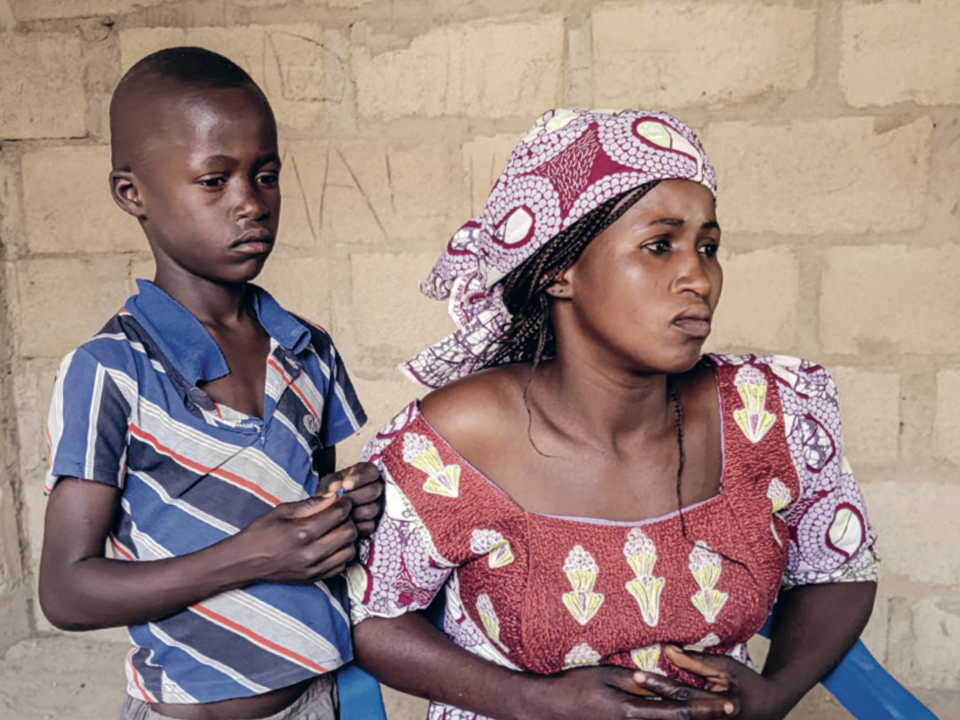
Tensions have flared between South Sudan and its neighbor Sudan following the killings of South Sudanese Christians in Wad Madani, a city in eastern Sudan. The massacre earlier this month recalls the ethnic and religious violence that drove South Sudan to split from Sudan. South Sudan finally gained independence in 2011 after decades of war.
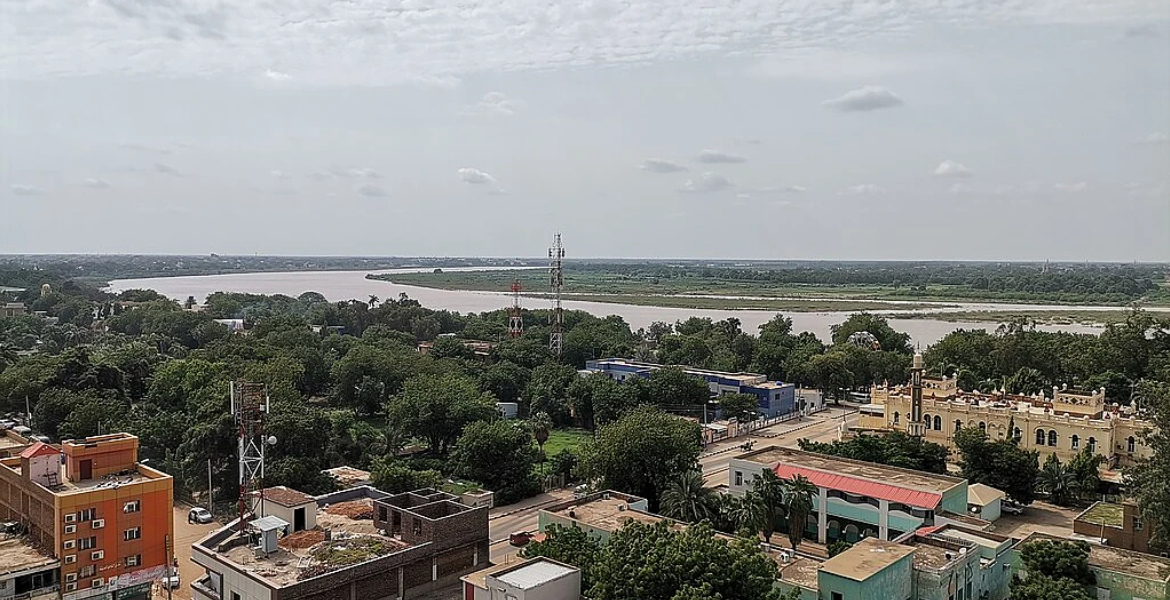
Wad Madani, Wadalyemen, CC BY-SA 4.0 , via Wikimedia Commons
In Sudan itself, a civil war has been raging since April 2023, when fighting broke out between the Sudanese Armed Forces (SAF) and the rebel Rapid Support Forces (RSF). On January 11, 2025, the SAF recaptured the strategic city of Wad Madani which the RSF had seized in December 2023. The recapture of Wad Madani is seen as a major breakthrough for the Sudanese army. The city, situated southeast of the capital Khartoum, had been a place of refuge for thousands of people fleeing the fighting – among them South Sudanese citizens – before becoming a center of conflict itself.
Attacks and counter-attacks
But the SAF victory had a bitter aftermath. Videos began circulating on social media apparently showing government troops capturing and slaughtering South Sudanese civilians in Wad Madani. News reports spoke of between 13 and 29 people executed and beheaded.
Enraged by the massacre, some South Sudanese carried out retaliatory attacks on Sudanese traders and refugees in Juba, the South Sudanese capital, and other urban centers. Protests on the evening of January 16 spilled over into the looting of Sudanese-run businesses. Sudan War Monitor reported that 16 Sudanese had been killed. Fides news agency said the dead reportedly included a diplomat at the Sudanese embassy.
In response, the South Sudanese government imposed an overnight curfew and shut down social media channels, which it blamed for promoting the unrest, media reported.
While condemning the “heinous acts” that had triggered the retaliation, the country’s president, Salva Kiir, called for calm and for an end to retaliation, Middle East Eye reported.
Diplomatic rift
Upping the ante, South Sudan’s foreign minister, Ramadan Goc, decried the Sudanese army and its allies in an address to the United Nations Security Council on January 22. In comments reported by Sudan War Monitor, Goc referred to the Wad Madani killings as a “live act of terrorism” and called on the UN to back an independent investigation.
Sudan was quick to react, with its foreign ministry denouncing Goc’s remarks as a call for foreign intervention. It also accused South Sudan of “inciting violence against Sudanese nationals” and failing to protect the Sudanese embassy in Juba against attack.
The statement also accused South Sudan of “harboring and supporting” the rival Rapid Support Forces, Sudan War Monitor said.
Although Sudan’s government has opened an investigation into the atrocity, it is adamant that the army did not carry out the attacks, instead blaming a militia affiliated with it.
Black Africans and Christians targeted
CSI’s project manager for South Sudan and Sudan reported that the brutality of the Wad Madani attack called to mind the actions of the Islamic State terror group. The South Sudanese “were targeted for being black and Christian,” the project manager said.
“This atrocity crime came hard on the heels of the U.S. State Department’s claim that the rival Rapid Support Forces have committed genocide against indigenous Muslim Black Africans in Darfur in western Sudan,” commented CSI International President John Eibner, an expert on the region. “Politically and socially marginalized Black Africans appear to be targeted for atrocities by both rival Islamist fighting forces.”
Since the start of the war, observers have accused both the SAF and the RSF of singling out Christians for attack and destroying churches in areas that they control.
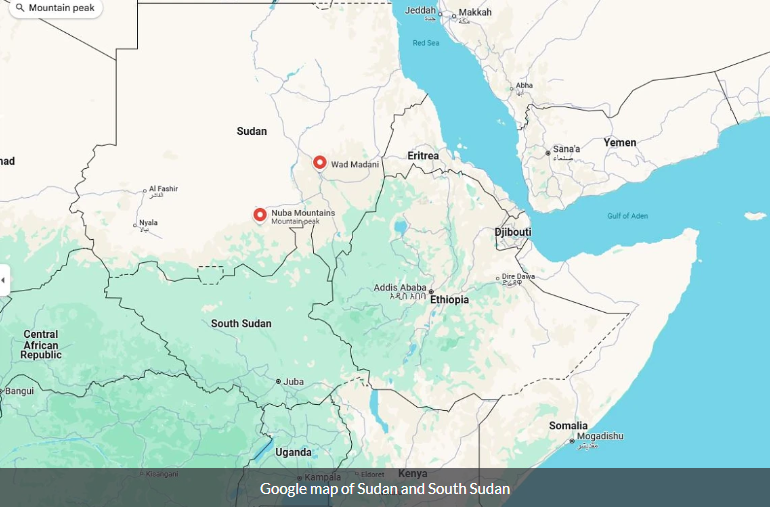
In Sudan, the largest Christian communities are in the Nuba Mountains region of South Kordofan state and Blue Nile state, which neighbor South Sudan. The Nuba Mountains are under the control of rebels from the secular Sudanese People’s Liberation Movement, and the region has remained largely untouched by the fighting that began in 2023.
The Nuba Christian population endured decades of oppression under Sudan’s former Islamist dictatorship. During the country’s second civil war (1983-2005) government forces subjected them to attacks that many scholars have described as genocidal. This war led to the independence of South Sudan in 2011.