Ten years ago, the terrorist group called the Islamic State (IS) overran northwestern Iraq. Thousands of non-Muslims were killed and tens of thousands displaced. William Warda of the Hammurabi Human Rights Organization (HHRO), CSI’s partner in Iraq, recalls that dark time.
In 2014, the Islamist terror in Iraq reached a brutal climax. CSI’s partner in Iraq, William Warda, witnessed the destruction caused by the Islamic State’s invasion first hand.
Here, Warda describes what he experienced and talks about the future of Iraq’s Christian minority.
“Before the United States-led invasion of Iraq in 2003 there were approximately 50,000 Christians living in Mosul, Iraq’s second city. That number decreased drastically between 2008 and 2010 owing to Islamist violence. Suspected al-Qaeda militants bombed churches, monasteries and Christian homes, prompting a mass exodus of Christians. Dozens of Christians were kidnapped and killed. By 2014, there were only 5,000 Christians in Mosul.
Then on June 10, 2014, Mosul fell to Islamic State (IS) terrorists. The news came as a great shock. The reason it was so unexpected was that around 10,000 soldiers and state security operatives, equipped by the U.S. with the latest military technology, were based in the city.
Warnings ignored
I had received accurate information from local observers three months earlier that approximately 500 terrorists were holed up only 40 kilometers away from Mosul. We also knew that large parts of the city were already effectively under terrorist control during the night, and only in the daytime did the local government appear to be in charge.
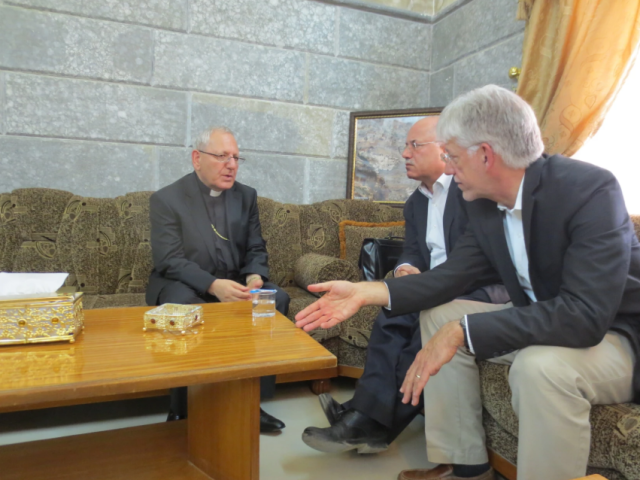
Some Yazidi colleagues and I passed along this information to government institutions, to senior United Nations officials and to the American side.
In one meeting, a Yazidi colleague of mine even told the deputy head of the United Nations Assistance Mission for Iraq (UNAMI), Gyorgy Busztin, ‘The Yazidis are facing a new massacre. If it happens, you will bear responsibility.’ But no one paid any attention.
Choice of conversion or death
In the first three days of the occupation, IS managed to win over the people of Mosul. IS said they had come to save the people from the injustice and persecution of the Shi’ite government of Prime Minister Nouri al-Maliki. Unfortunately, the majority of the people of Mosul believed them.
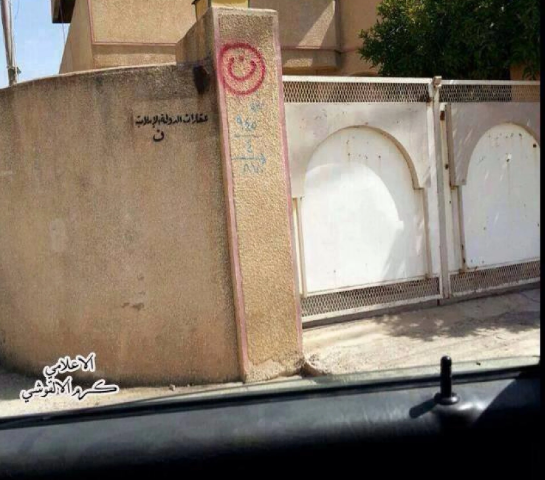
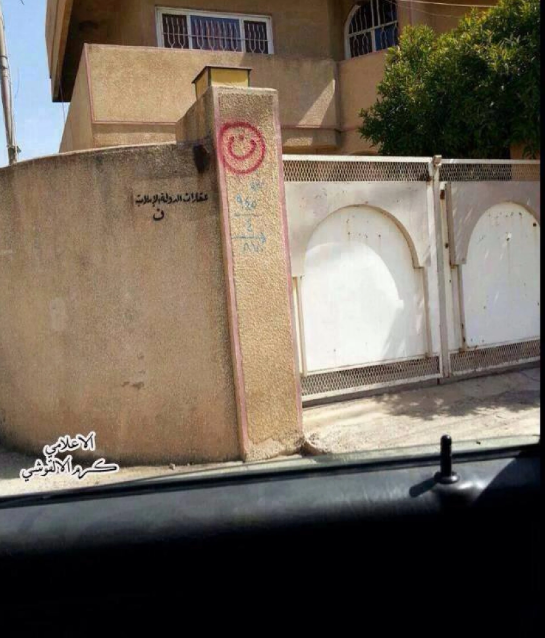
While I was in Baghdad monitoring the situation, our observers in the center of Mosul and the Nineveh Plains were relaying events to us moment by moment. I received a call from Mosul saying that IS had pasted statements on the doors of mosques and in public squares and made announcements by loudspeaker. They were warning Christians to leave Mosul within three days. The fate of those who remained there after that point would be either forcible conversion to Islam or death.
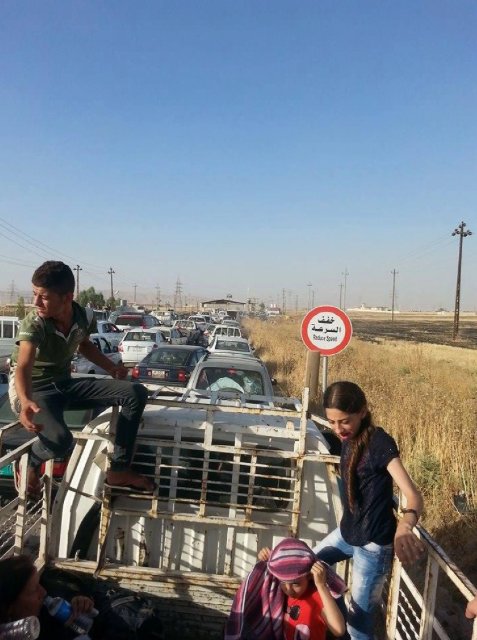
During this short period, some left Mosul. IS fighters stripped them of their money and belongings as they passed through the checkpoints to leave. But those who remained in the city were forcibly converted to Islam, and the women captured and raped.
False assurances
In mid-July, I concluded, as a result of what was happening inside Mosul, that IS would invade the surrounding Nineveh Plains and other areas. After all, its slogan was “remaining and expanding.”
Therefore, I and my colleagues met with the religious leaders in Qaraqosh – the largest Christian city in Iraq – and alerted them that IS was planning to invade.
But the religious leaders had believed assurances from the leaders of the Kurdish Regional Government (KRG) that their forces in the region could protect them and there was no need to worry. I left this meeting uncomfortable and sad as I was certain that the KRG would not defend those areas, especially since their forces had already confiscated weapons from Christians living there.
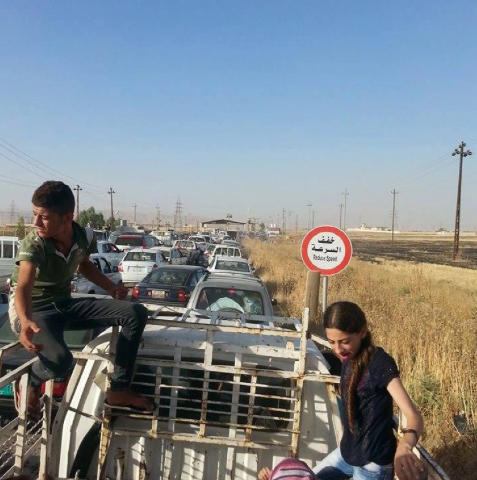
Unfortunately, about two weeks later, what I had feared happened. Qaraqosh, Bartella, Tel Kaif and other towns in the Nineveh Plains fell to IS on August 7, 2014. My own house in Qaraqosh was looted and plundered by IS.
The Yazidi areas fell to IS a few days earlier, and the Yazidis there were subjected to killing, captivity, sexual violence and massacres that rose to the level of genocide – just as my colleague had predicted to the UNAMI representative.
Help to the displaced
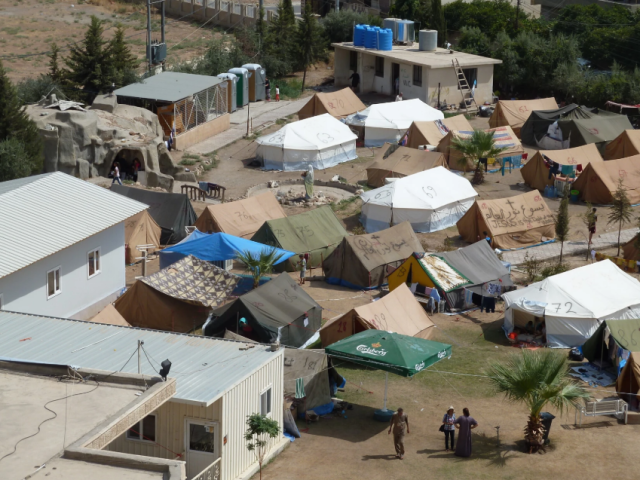
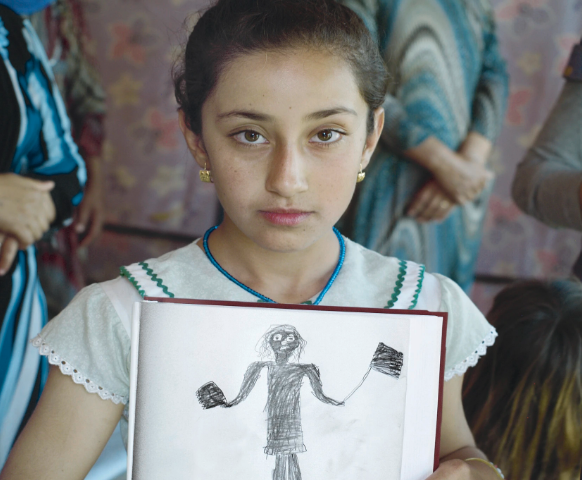
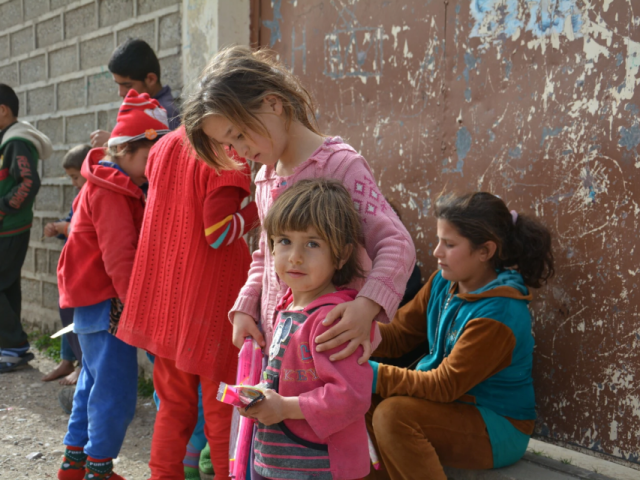
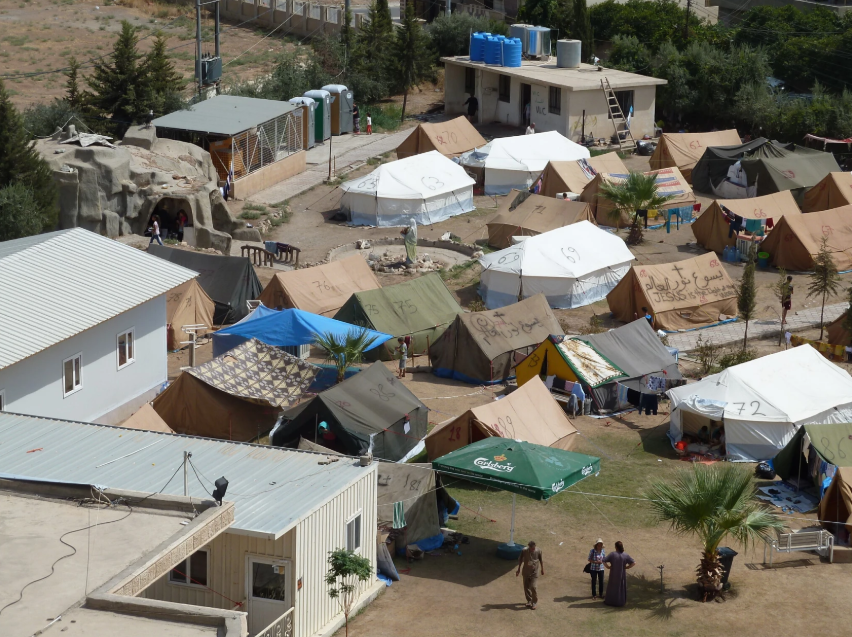
I was in the city of Sulaymaniyah in northwestern Iraq when messages started to arrive from colleagues living in these towns and villages who were desperately trying to protect their families from IS. I advised them to head to the small Christian villages north of Duhok in northern Iraq and to the remote areas on the Turkish border.
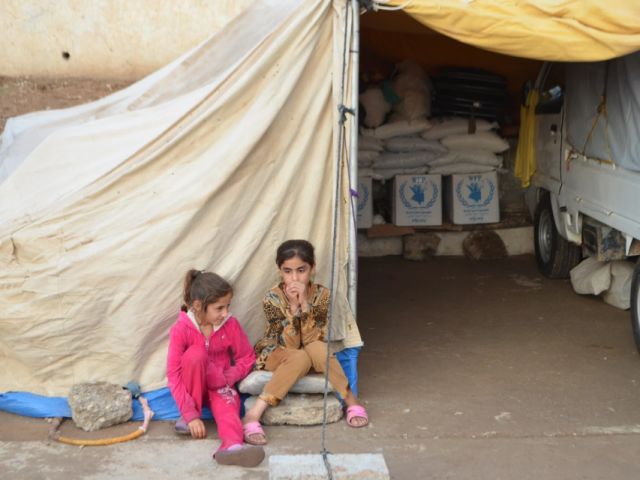
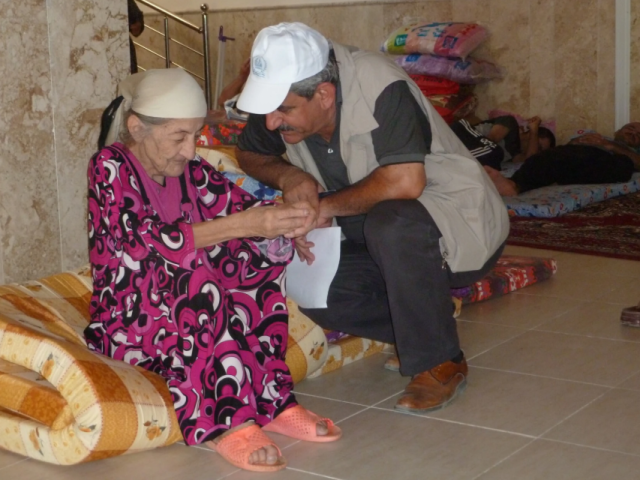
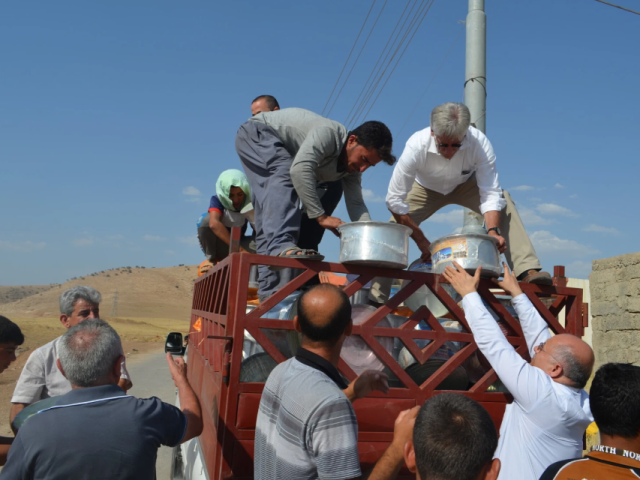
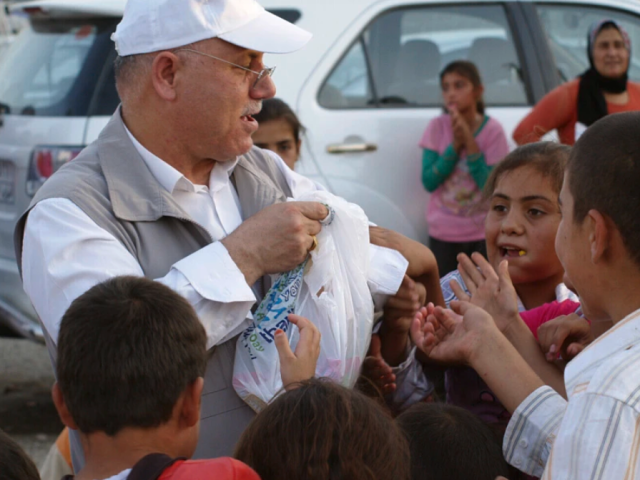
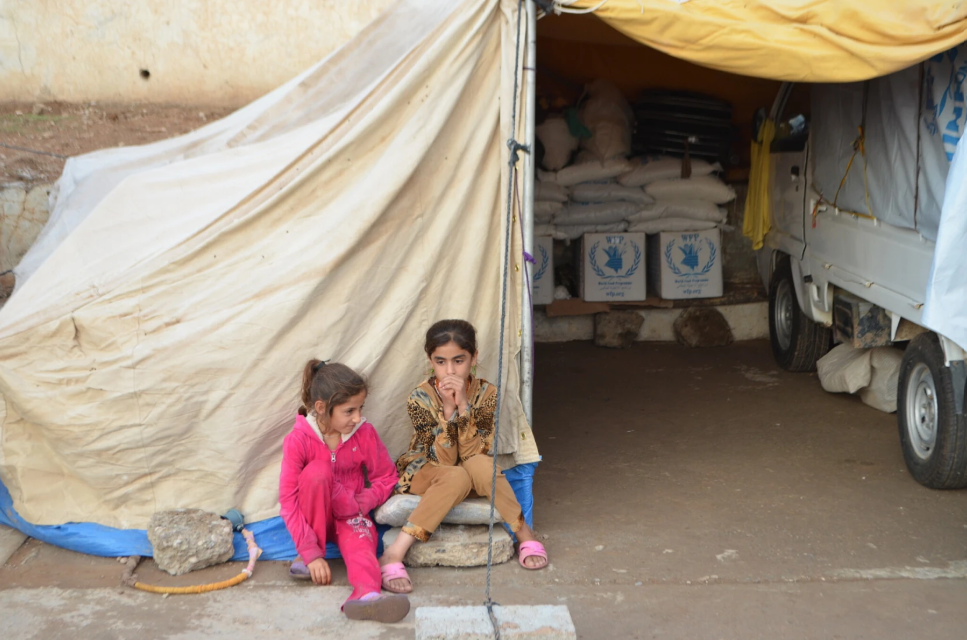
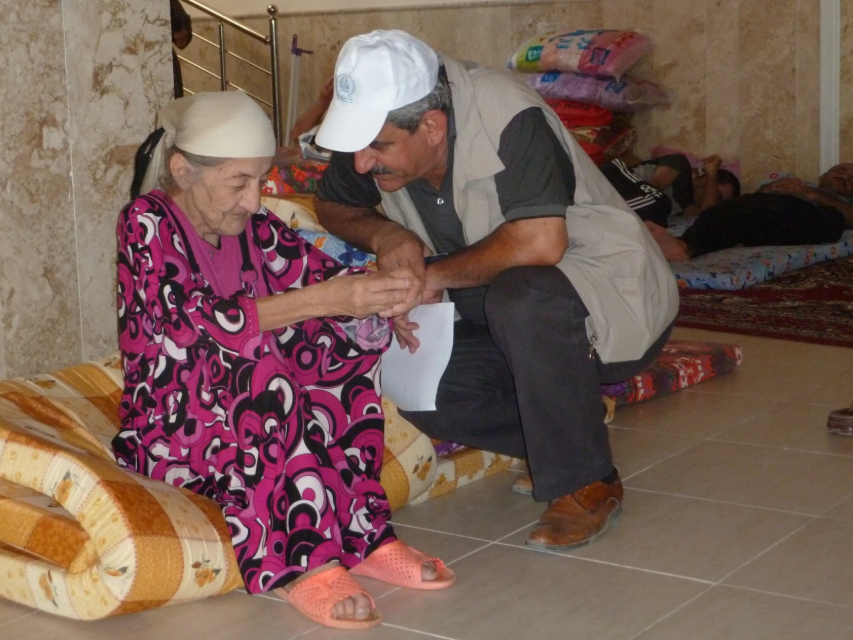
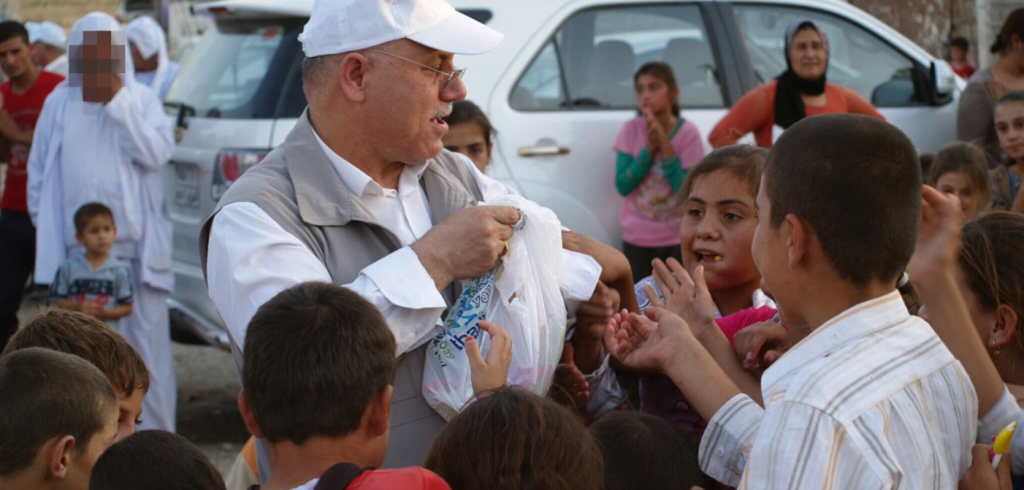
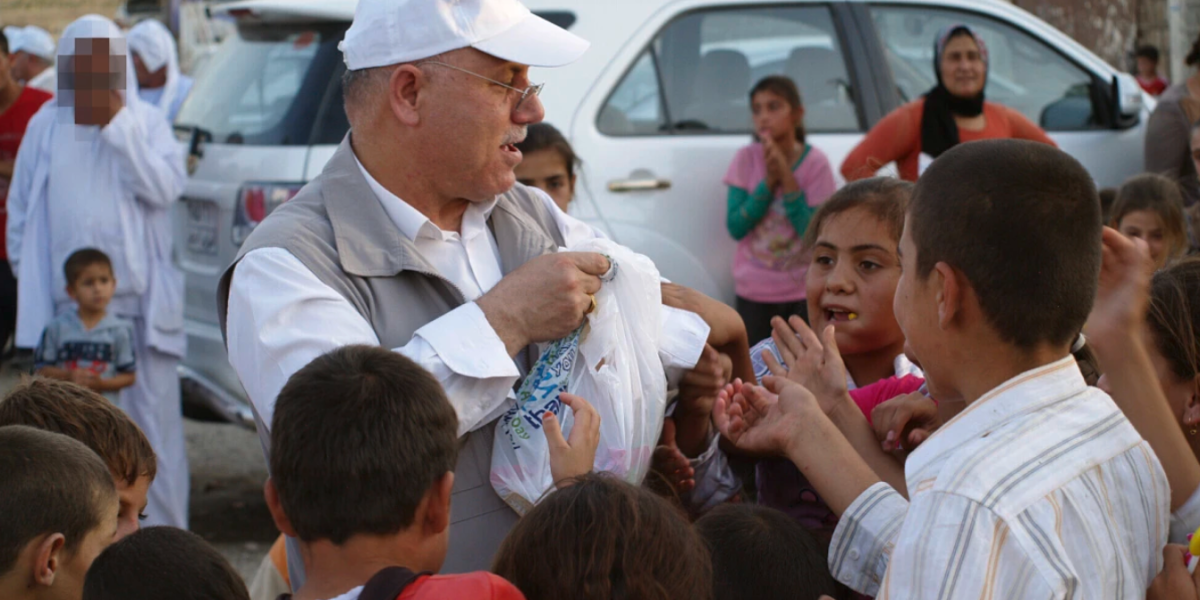
My team from the Hammurabi Organization did all they could to help the displaced. With the help of CSI, we managed to assist more than 20,000 displaced families (nearly 80,000 displaced persons).
The support included blankets, coverings, heaters, medicines, water filtration systems, small refrigerators, food baskets and winter clothes for children, women and the elderly. I can say that without this support, the lives of the displaced would have been more difficult, their suffering would have been greater, and there could have been twice as many deaths. This support was a turning point and helped people withstand for three years until their areas were liberated.
Following the liberation of the Nineveh Plains from IS rule, Hammurabi and CSI actively supported Christians, Yazidis and others wishing to return to their homes. In addition to water filtration systems and food for families, this included setting up livelihood projects for returnees.
Dwindling number of Christians
The repeated attacks on Iraq’s Christians in the past two decades have led to a decrease in their numbers from more than 1.5 million people in 2003 to 300,000 today.
I don’t believe that Christians will ever disappear completely from Iraq. What we faced from IS was a recurrence of what we already faced in the days of Hulagu and Genghis Khan and during the rule of the Mongols, Tatars and Turks, and in other periods during the Islamic Caliphate. Despite this, Christianity remained steadfast in the East, especially in Iraq.
What I fear is that we lose our presence and qualitative influence in Iraq. Because of the IS invasion and everything else that’s happened since 2003, Christians have lost much of their ancestral land. We no longer have demographic weight anywhere in the country. Only 40 percent of the Christians who lived in Qaraqosh before 2014 have returned. In Bartella, it’s less than one-third.
Christians are a minority who have made a big contribution to Iraq’s civilization and history. But without land, we will be like a feather blown about in the wind, a toy in the hand of others.
The survival of Christianity in Iraq has become dependent on the will and mentality of the Muslim majority. The more openness and civil life spread in Muslim society, the greater the chances of Christianity’s survival in Iraq. However, if isolation, fanaticism and Islamic religious extremism increase, the doors will be closed for Christians.
Generations of persecution and endurance
When Mosul fell, I thought back to the massacres and displacements that my great-grandparents, grandparents and parents had been subjected to: the Sayfo (Assyrian Genocide) of 1915, the massacres of the Assyrians in Simele in 1933, and the forced displacement of Assyrians from northern Iraq, near the Turkish border, in 1961, when I was just six months old. My mother had to carry me in my cradle. My parents settled in Mosul after that. We endured many difficulties, with no international or local organizations to provide relief.
By 2014, my wife Pascale and I had already been struggling for the rights of Christians and minorities for many years. We had to change our house in Baghdad four times, due to security threats. God has saved us and our children from certain death many times. We thank God for His blessing.
To my surprise, when the dark days of 2014 came, I never felt afraid. It was as if God had given me new energy to endure. At one point, when I was in Baghdad and IS forces were approaching the city, an international party, whose name I do not wish to mention, contacted me. They said that they were evacuating their employees and offices from Baghdad to Kuwait, and they offered to take me with them. I thanked them, but said, ‘I would like to live or die with my people.’ Until now, I don’t know where this strength and energy came from.
I cannot conclude without saluting and thanking all the brave heroes from CSI who risked their lives with us for the sake of the most vulnerable people, displaced and persecuted Christians and Yazidis. I give special thanks to all of CSI’s supporters. Without them, the lives of Christians in Iraq would have been much more difficult.”