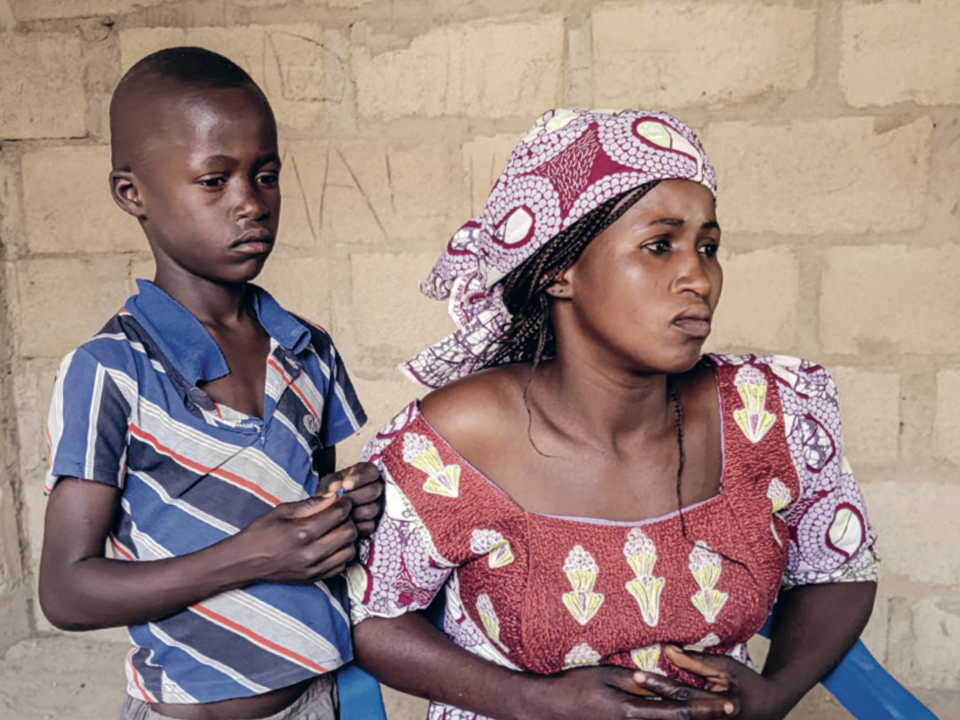
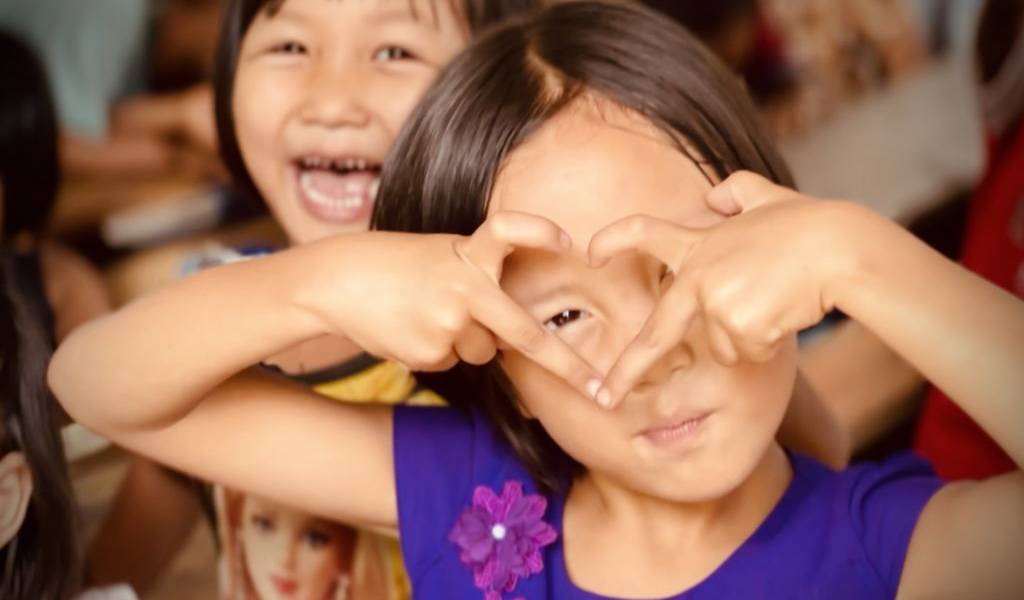
Pakistan: Visiting Christian families trapped in debt bondage at brick factories. It’s deeply moving to see how these humble people hold onto their faith despite everything. CSI helps the most vulnerable among them, paying off their debts, and enabling them to live a life of freedom.
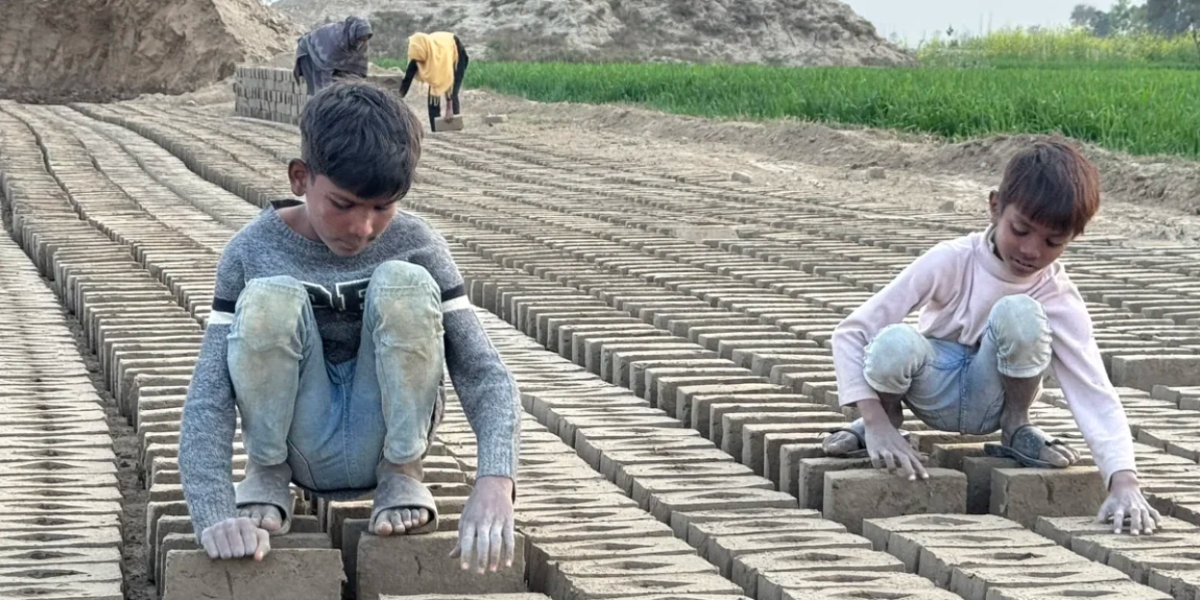
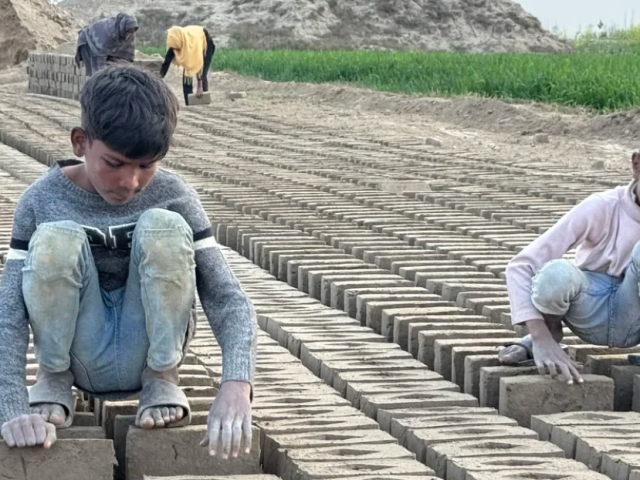
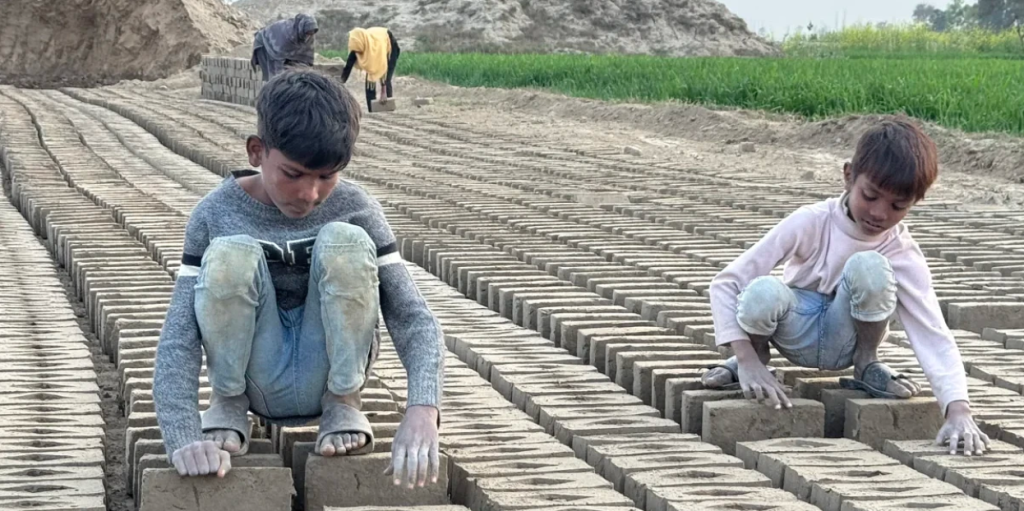
Children form bricks at one of Pakistan’s many brick kilns. csi
By Simon Brechbühl, Executive Director CSI Switzerland
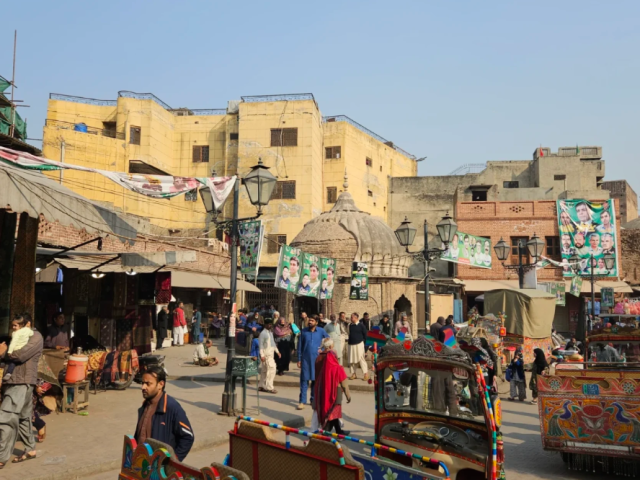
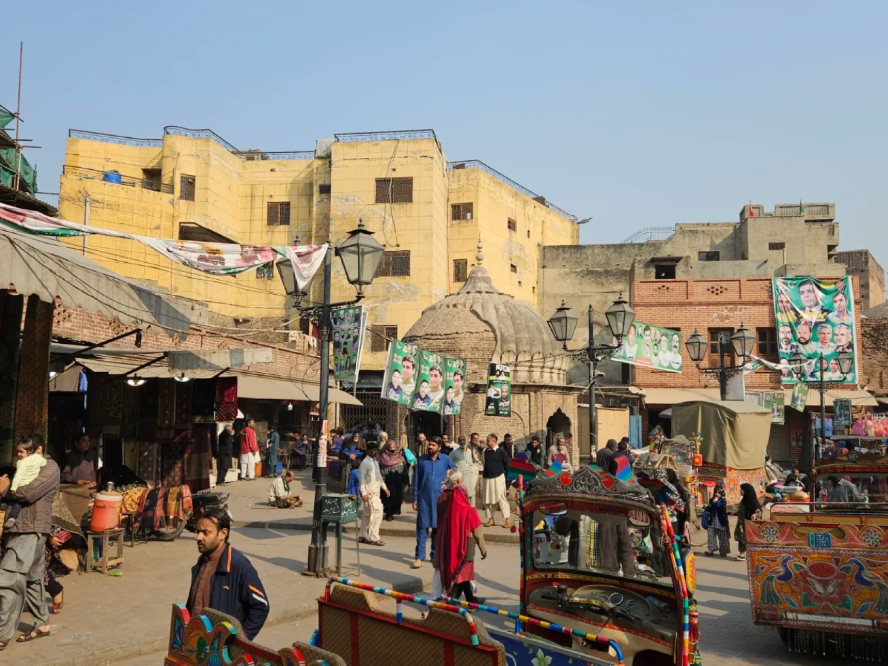
Wherever I look, I see motorcycles, rickshaws, and people filling the streets. I’m sitting in the back seat of a Toyota in the midst of the bustling 13-million-strong city of Lahore. Life here plays out on the streets—hectic, vibrant, and loud. The car offers me a moment of peace in this flood of impressions. Thank God our local project partner and driver know the city so well.
When I roll down the window, the smell of exhaust fumes and burning garbage hits me. I’ll have to get used to that. “One day here is like smoking a pack of cigarettes for your lungs,” says the CSI project manager beside me. She travels regularly to Pakistan and coordinates CSI aid with our local partner.
Bondage at the brick kiln
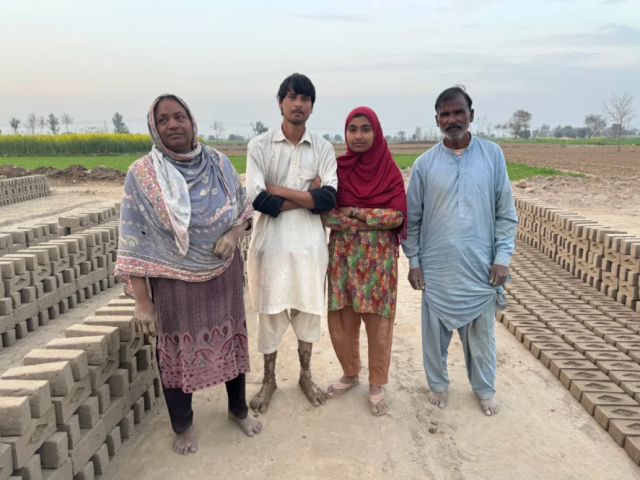
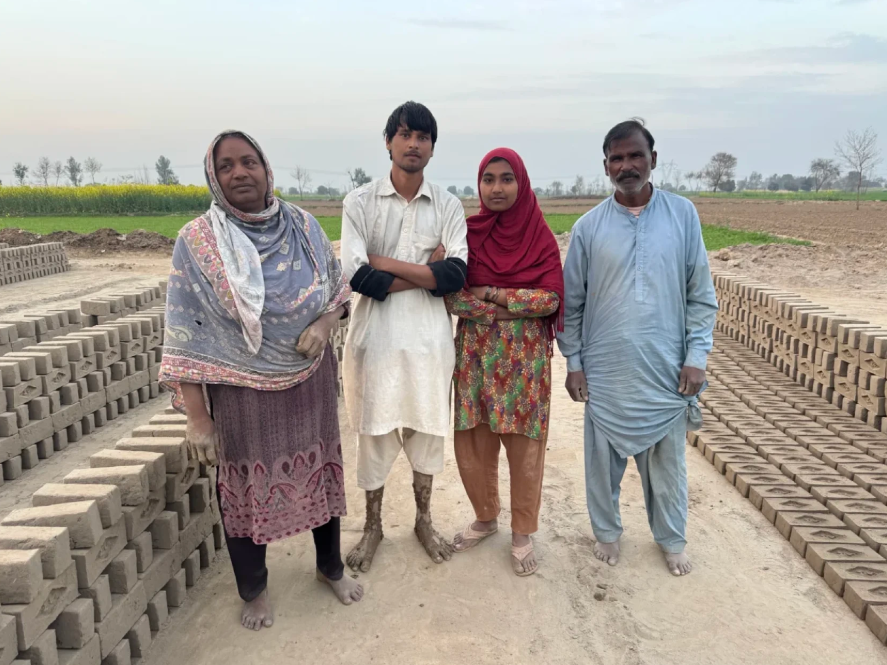
We drive into the countryside to visit families that CSI has freed or will soon free from the bondage of brick kiln work. One of them is the Masih family, whom we visit during their work. They barely look up as we approach: Father Yousaf, Mother Nasreen, and their two children Usman (25) and Javeria (18) kneel in the dirt forming bricks—barefoot, without protective clothing.
Many brick workers in Pakistan are Christians, including the Masihs. Their work is grueling labor under slave-like conditions. The brick kiln owners exploit them shamelessly, often not even paying the agreed wages. They cannot defend themselves; especially young women and children are completely vulnerable.
We kneel beside the family and ask how they are doing. Mother Nasreen tells us: “Three years ago, I had a stroke and have been partially paralyzed ever since.” She is obviously in severe pain and can barely walk. Son Usman had to drop out of school to support the family at the brick kiln and meet the daily brick quota. “I’m glad that at least my sister still goes to school,” he says.
Muslim workers and the brick kiln owner avoid and ignore the Christian family. Usman reports: “Several times we were offered to have our debts forgiven if we convert to Islam. But that’s out of the question for us. Better a life in slavery than betraying God.”
His words shake me. CSI will soon free this family.
A life in freedom
We learn what freedom means from the widow Rehana. Just a few months ago, she was toiling with her children at a brick kiln. We drive through an upscale neighborhood with beautiful houses until we pass a wall—behind it lies the poor quarter where Rehana now lives. Rich and poor could hardly live closer together.
Our car stops, and we walk the last few meters on foot. A pungent smell rises to my nose: the open sewage system. I’ll have to get used to that too.
We make our way through the narrow, winding alleys of the neighborhood. Each step requires attention. I have to watch where I step. Thank God we’re accompanied by the experienced local coordinator who knows his way around perfectly.
He was also the one who located Rehana and her family at the brick kiln. CSI project partner Anjum explains: “When freeing brick kiln workers, we focus on the weakest and most vulnerable—particularly orphans, widows, and people with disabilities.”
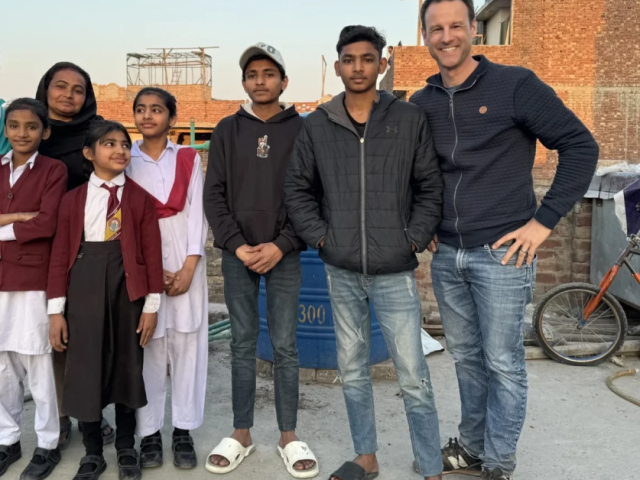
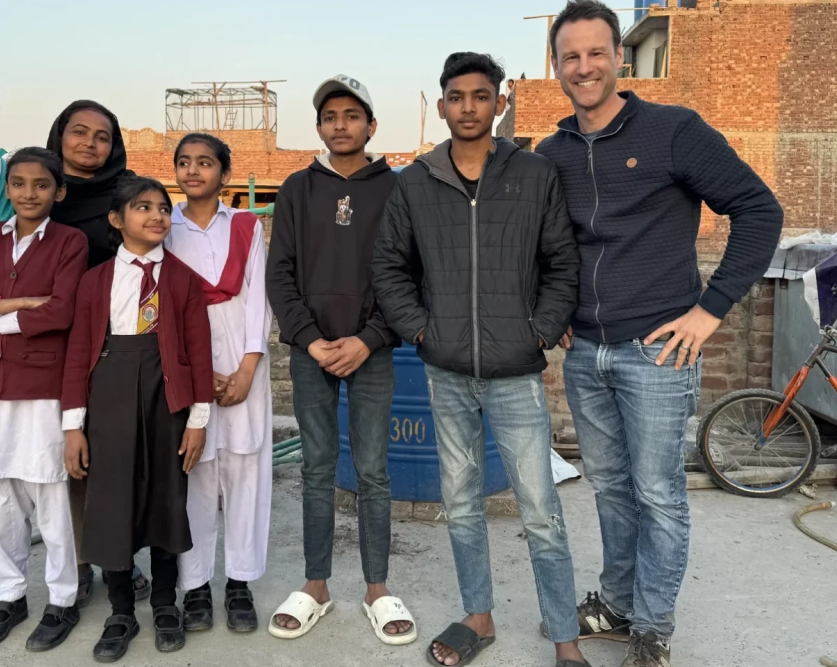
Rehana’s eldest son Adan is already waiting for us at the house entrance and leads us up the stairs to the family’s small accommodation, where Rehana and her three daughters warmly welcome us. Then we take seats in the tiny one-room household. It’s a simple dwelling, and as I look around, I notice that the neighboring family lives right next door, separated only by a curtain.
In October 2024, CSI freed this family from debt bondage. They’ve been living here since. When I ask Rehana and her children what their new life in freedom is like, they beam and answer in unison: “Beautiful!”
Rehana describes the harsh conditions at the brick kiln, speaking of worries and hopelessness. “But Jesus has given us a new life.” The family had no rights there, was not allowed to leave the brick kiln grounds, and couldn’t even visit church. Their biggest problem: the crushing debt to the brick kiln owner. The daily workload was impossible to fulfill. Since the death of Rehana’s husband, any prospect of paying off the debt had vanished.
I ask what they appreciate most about their life in freedom. Rehana answers: “My children can finally regularly attend church and Sunday school. We are infinitely grateful for that.” The oldest daughter adds: “Before, we had to make bricks every day. Now we go to school, can go to church, and pray freely. That’s the most beautiful thing!” The younger daughter also says: “I love to pray and praise God.”
The mother beams and adds: “Finally, my children also have some time to play.” Rehana remembers the hard years after her husband’s death. “My oldest son Adan had to go to the brick kiln after school to help work. At night, he studied for school. It was almost impossible for him to manage both.”
A new beginning
The joy of this humble family touches me deeply. None of them ever dreamed they would one day be free. “When we learned that we would soon be free, we could only thank God,” Rehana says. She herself is barely literate and can only read at a basic level. Despite this limitation, when they couldn’t go to church, she still prayed with her children at home and shared stories about Jesus with them. Now they joyfully attend a Christian congregation in the neighborhood.
CSI provided the family with a rickshaw. Rehana’s nephew operates a taxi service with it, and Adan helps him after school. “The earnings are enough to live on,” says Rehana. Additionally, they keep four chickens that provide them with eggs. Their life remains modest, but it is a life in freedom.