At the Human Rights Council in Geneva, human rights experts call for release of all Armenian detainees.
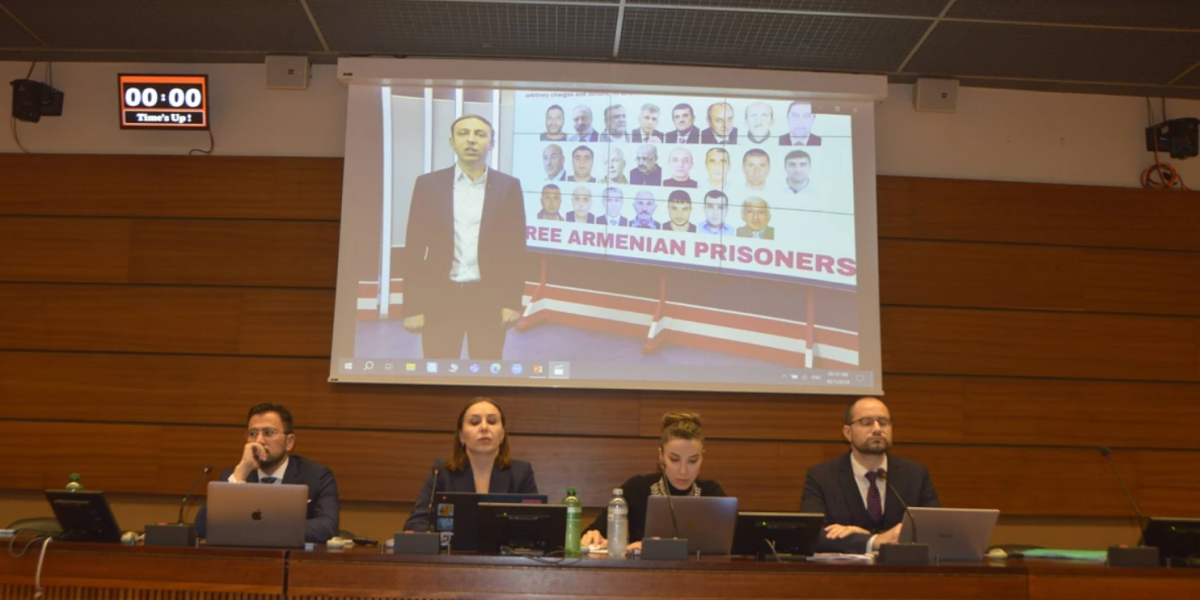
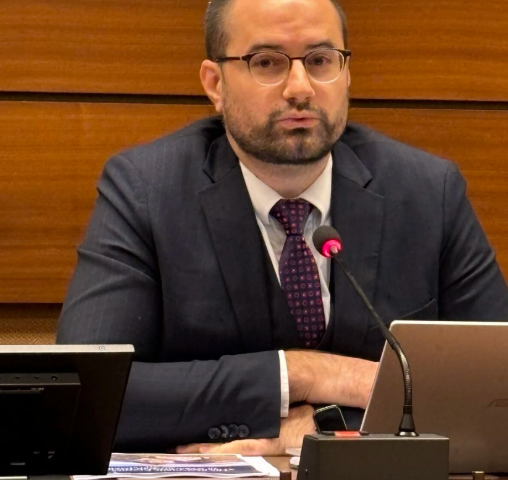
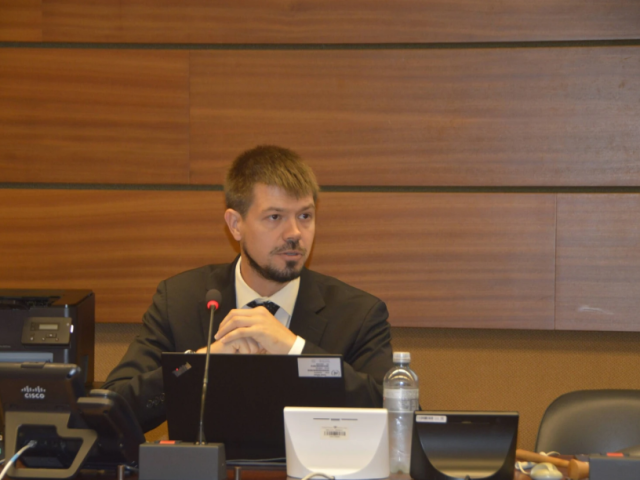
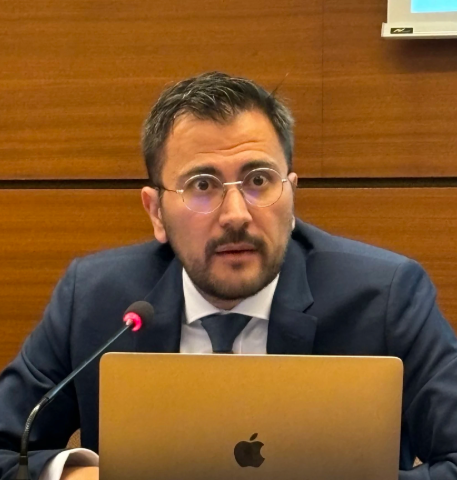
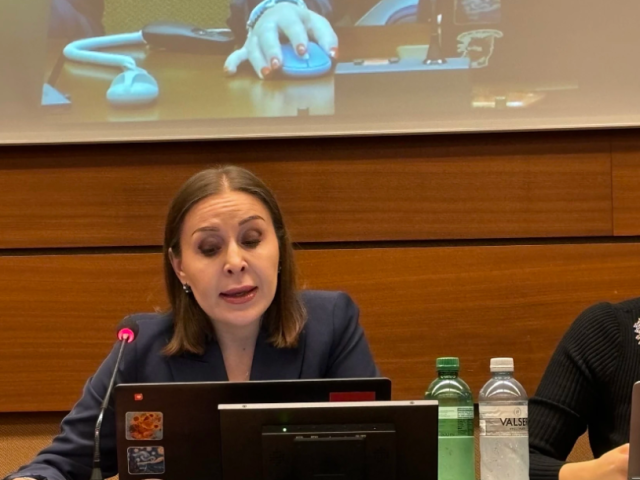
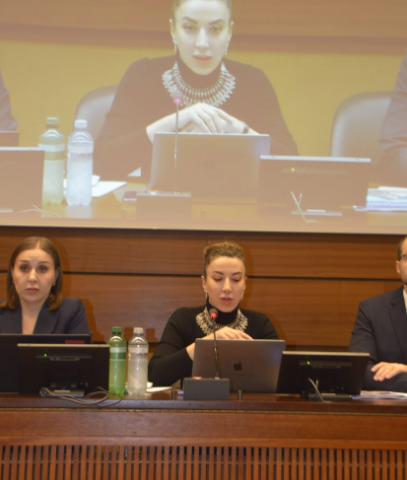
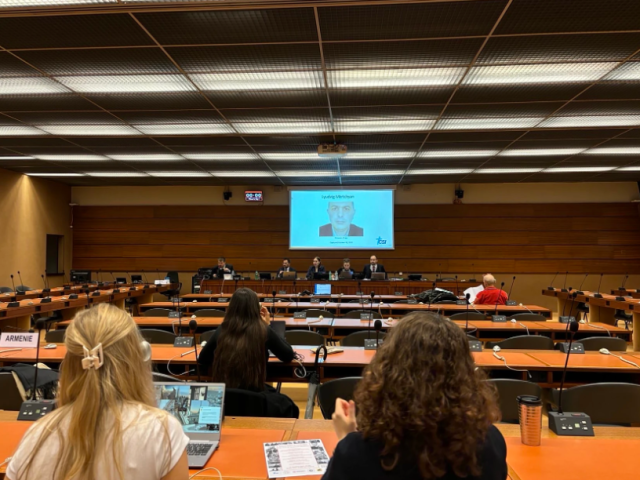
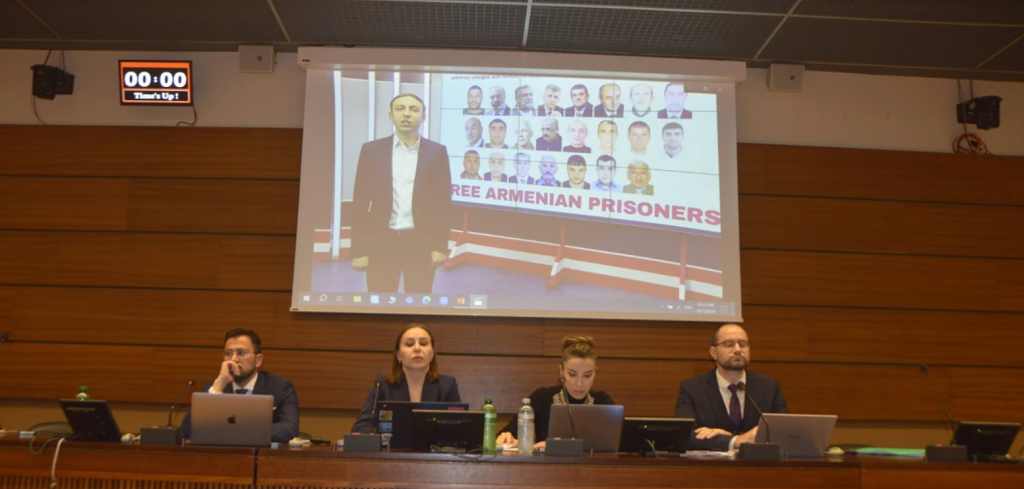
Panelists at the CSI event called for the release of all the detained hostages. csi
MEDIA RELEASE
The lives of dozens of ethnic Armenians unlawfully detained by Azerbaijan are in mortal danger, a side event at the United Nations Human Rights Council has heard.
The livestream is available to view here: https://www.youtube.com/watch?v=d0xJz7JNJek
Speakers at the October 1 event hosted by Christian Solidarity International (CSI) urged the international community to bring pressure to bear on Azerbaijan to release the detainees from Nagorno Karabakh and Armenia it seized between 2020 and 2023. The speakers included four leading Armenian advocates for the detainees.
At least 23 ethnic Armenian civilians and prisoners of war are currently confirmed to be in Azerbaijani custody. Dozens more are believed to be held. The 23 include eight current and former political leaders of Nagorno Karabakh, who were detained following Azerbaijan’s military takeover and ethnic cleansing of the region in September 2023.
The event opened with an impassioned plea by Linda Euljekjian on behalf of her husband, imprisoned Armenian civilian Vicken Euljekjian. In a letter read aloud at the event, she spoke of the “unimaginable hardship” suffered by her husband, who has been held by Baku since 2020. “We now fear for his life,” she said, calling for international assistance to secure his release.
In a statement delivered by video, Gegham Stepanyan, human rights ombudsman of the Republic of Nagorno Karabakh (or Artsakh), outlined the four most pressing issues for his people following their forced deportation from their homeland: the humanitarian needs of the displaced Armenian population; the preservation of Armenian cultural heritage in Nagorno Karabakh in the face of Azerbaijani attempts to destroy it; the collective, safe and dignified return of the people of Nagorno Karabakh to their homes; and freedom for the hostages in Azerbaijan.
Stepanyan deplored the fact that there is no mechanism in place to protect the prisoners, and no reliable information about their condition. “There is a need for strong international pressure on Azerbaijan to release all the prisoners,” he said.
Human rights lawyer Siranush Sahakyan said that in addition to the 23 people known to be in Azerbaijani detention there were over 80 further documented cases of ”forced disappearance” – in which Armenians were last seen in the hands of Azerbaijani soldiers, and have not been heard from since. In some cases, there is video evidence that these individuals were in Azerbaijani hands before they disappeared. Sahakyan played videos collected from Azerbaijani social media channels, which show the missing Armenian soldier Aleksander Yeghiazaryan, and the missing Armenian civilians Maksim Grigoryan and Karen Petroysan, being abused or interrogated by Azerbaijani soldiers.
Other detainees were forced into making confessions, Sahakyan said, and faced deeply flawed trials without adequate legal representation. Noting that Azerbaijan was named as the host of the COP29 climate change conference after it released 32 Armenian detainees in December, Sahakyan noted a “clear pattern of using human lives as diplomatic leverage.”
Speaking of the eight leaders from Nagorno Karabakh being held by Azerbaijan, Sahakyan emphasized that, in the words of the first UN Special Adviser on Genocide Prevention, Juan Méndez, “targeting the leadership of a vulnerable community is indicative of genocide.”
Legal expert Hasmik Harutyunyan, who has documented human rights violations in Nagorno Karabakh since 2016, detailed the mistreatment and abuse suffered by detainees. This includes beatings, cigarette burns and the use of electric shocks, as well as a lack of medical care for hospitalized captives. “Those POWs who had cross tattoos were especially burnt,” she said. The Azerbaijani authorities had failed to properly investigate allegations of torture and ill-treatment and to bring the perpetrators – even when known – to justice.
“The lives of all ethnic Armenians held in Azerbaijan are in grave danger, and they are exposed to a significant risk of torture and ill-treatment,” said Harutyunyan.
Legal scholar Gurgen Petrossian addressed the issue of international accountability for the crimes, including deportation and persecution, committed by Azerbaijan against Nagorno Karabakh and its citizens. These crimes against humanity fall either under universal jurisdiction or the jurisdiction of the International Criminal Court (ICC), of which Armenia is now a full member.
It was vital that the international community take these crimes seriously and call Azerbaijan to account, he said.
“Each unpunished international crime increases the risk of repetition of waves of violence,” Petrossian warned.
Concluding, Thibault van den Bossche of the European Centre for Law and Justice said it was “paradoxical” that Azerbaijan, which has committed numerous human rights violations in Nagorno Karabakh and does not respect its international commitments, should be allowed to host the upcoming UN climate change conference COP29.
The event was co-sponsored by the European Centre for Law and Justice, the Armenian Assembly of America, the Armenian Constitutional Right-Protective Centre, the Armenian Relief Society, and the World Council of Churches.

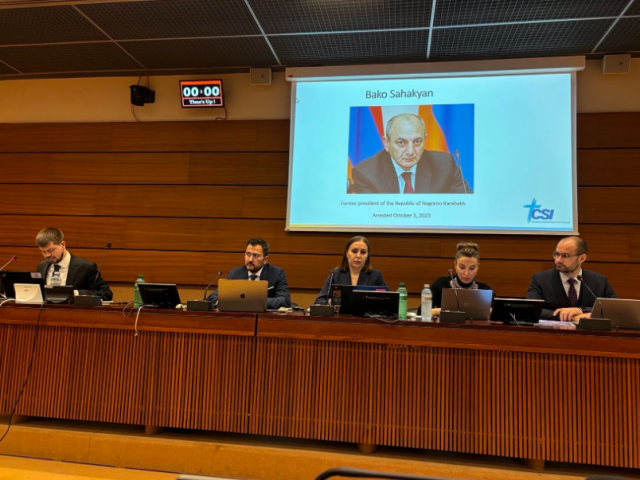


VIDEO: The Fate of Armenian Detainees